Dissertation
What So Proudly We Hail: The Influence of National Symbols on the 21st-Century American
An often-overlooked form of political power lies in who gets to define what a political symbol means. These meanings define what and who symbols represent, the attitudes they shape, and the behavior they motivate. My research examines how race and national identity contribute to this process, and the consequences that racialized political symbols have on the political process.
My dissertation demonstrates how different types of political symbols produce different effects on political attitudes and behavior. Using methodological tools such as surveys, experiments, and qualitative interviews, my research agenda examines how political objects and images acquire meaning through their relationship to various social identities and how these meanings trigger racial attitudes and mobilize individuals into political action.
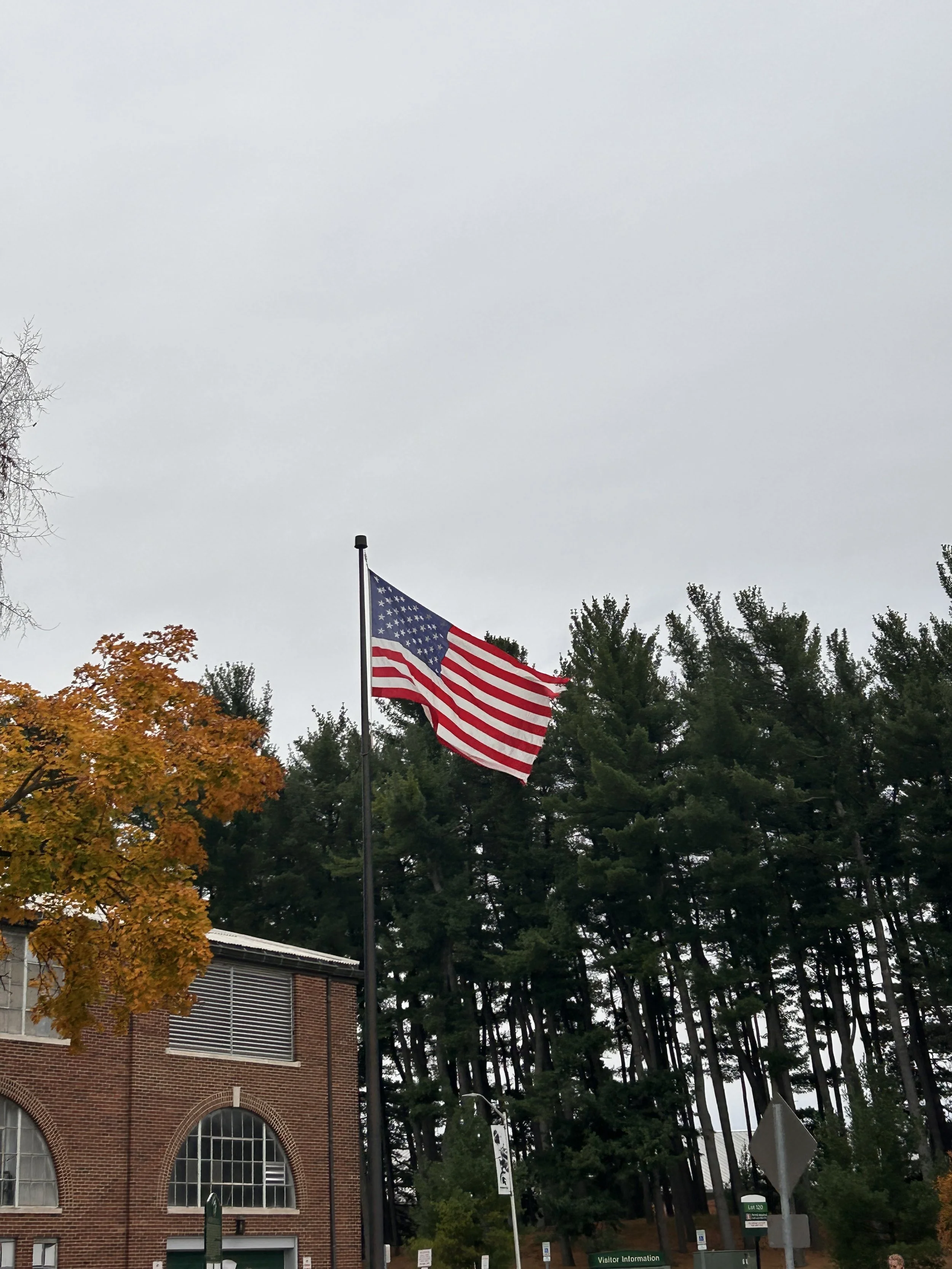
In the first paper, I develop novel measures of American symbol attachment, distinguishing between traditional, right-wing, and Black liberation symbols, and show that each type produces distinct effects on voting behavior, protest participation, and policy attitudes. In the second paper, drawing on an original survey of 1,700 U.S. adults, I find that pairing nativist rhetoric with the American Flag — unlike the Confederate Flag — increases message agreement even among Democrats, though Black Americans with strong racial group attachment are most resistant. In the third paper, I examine how Confederate monument removals shape voter turnout in Virginia, combining a novel spatial dataset of nearly six million voters with over 60 in-depth interviews conducted across the U.S. South.
Together, these papers advance our understanding of symbolic politics and racial hierarchy in contemporary American democracy, demonstrating that the symbols citizens encounter every day can profoundly shape how they engage with politics.